Reducing food waste at home is a win-win for your wallet and the planet. On average, households throw away a significant amount of edible food, which not only wastes money but also contributes to environmental problems like greenhouse gas emissions. Fortunately, small changes in daily routines can lead to big reductions in food waste. This guide provides practical strategies you can start using today to make a positive impact.
Why Reducing Food Waste Matters
Food waste contributes to environmental issues such as resource depletion and climate change. When food is thrown away, all the energy, water, and labor that went into producing it is wasted, too. On a personal level, reducing food waste helps stretch your grocery budget and promotes healthier eating habits through better meal planning.
Plan Your Meals and Shop Smart
Make a Weekly Meal Plan
Planning meals for the week helps you buy only what you need, reducing impulse purchases that often end up wasted. Write down meals and snacks, then create a shopping list based on that plan.
Check Your Pantry and Fridge Before Shopping
Before heading to the store, take stock of what you already have. This helps you avoid buying duplicates and allows you to plan meals around ingredients you need to use up soon.
Shop with a List
Stick to your shopping list to avoid buying unnecessary items. Buying in smaller quantities or from bulk bins allows you to purchase just the amounts you need, further preventing waste.
Store Food Properly
Understand Expiration Dates
“Best by,” “use by,” and “sell by” dates can be confusing. Often, food is still safe to eat after these dates. Use your senses to judge freshness—look, smell, and taste before discarding.
Keep Fruits and Vegetables Fresh Longer
Store fruits and veggies in the right place. Some do better in the fridge (like berries and leafy greens) while others keep better at room temperature (like bananas and tomatoes). Use perforated bags or containers that allow airflow to maintain freshness.
Use Clear Containers
Storing leftovers in clear containers makes it easier to see what you have, encouraging you to consume it before it spoils.
Cook Smart and Use Leftovers Creatively
Use the Entire Ingredient
Avoid peeling or cutting away edible parts of vegetables and fruits. For example, beet greens and broccoli stems are tasty and nutritious and can be added to salads or soups.
Portion Wisely
Make just enough food for your meals, especially if you eat alone or cook for a small household. Excess portions often go uneaten.
Repurpose Leftovers
Get creative with leftovers to avoid throwing them away. For example, turn roasted vegetables into a frittata, or use stale bread for croutons or bread pudding.
Compost Food Scraps
Collect Food Scraps
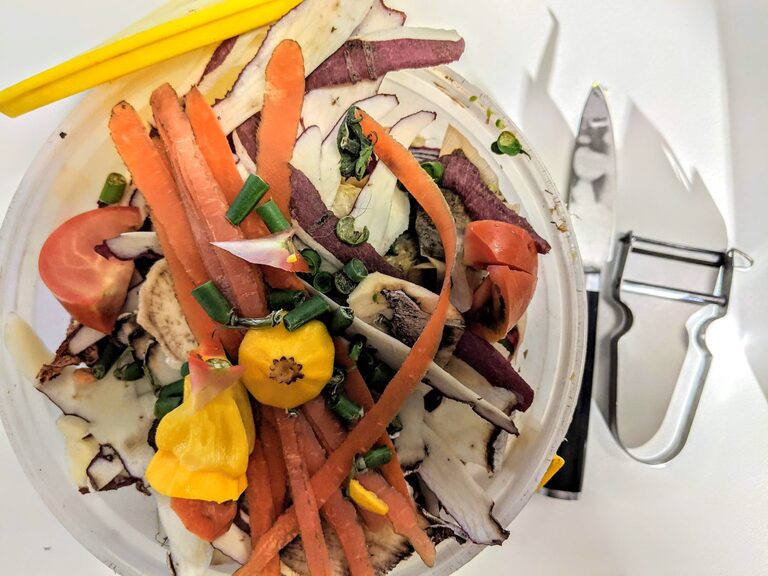
Instead of tossing vegetable peels, coffee grounds, and eggshells in the trash, collect them in a compost bin.
Start Composting
Composting food scraps turns waste into nutrient-rich soil for gardening. If you don’t have yard space, check if your community offers composting services.
Educate Your Household
Share Tips
Talk with family members or roommates about food waste and ways to reduce it. Encourage everyone to be mindful of portions, storage, and leftovers.
Involve Kids
Teaching children about food waste can build lifelong habits. Involve them in meal planning, grocery shopping, and composting projects.
Additional Tips to Prevent Waste
– Freeze extra fruits, vegetables, and bread for later use.
– Use a “first in, first out” system in your fridge to consume older foods first.
– Donate unopened, non-perishable foods before they expire.
– Preserve seasonal produce by canning or drying.
—
Reducing food waste at home is easier than you might think. By planning meals, shopping smart, storing food properly, cooking creatively, and composting scraps, you can save money and help the environment. Start with one or two of these tips and build new habits over time for lasting benefits. Every little effort counts!
About the Author